Chicory: Ancient Healing Plant & Modern Coffee Alternative
In a world increasingly seeking natural remedies and wholesome alternatives, one plant stands out for its rich history and versatile applications: chicory. Known scientifically as *Cichorium intybus*, this remarkable herb has graced human civilizations for millennia, transitioning from a revered healing plant to a popular caffeine-free coffee substitute. While perhaps overshadowed by exotic superfoods in recent decades, chicory has experienced a powerful resurgence, notably being crowned the "Healing Plant of the Year" in 2020. This comprehensive guide delves into the fascinating journey of chicory, exploring its ancient roots, its revival as a health-conscious beverage, and why chicory coffee, or *Zichorienkaffee* as it's known in German-speaking regions, deserves a prime spot in your pantry.The Resurgence of Chicory: From Ancient Remedy to Modern Brew
Chicory's story is one of enduring utility and rediscovery. While its contemporary appeal often centers around its role as a coffee alternative, its legacy stretches back to antiquity, where it was valued for its potent medicinal properties.A Legacy of Healing: Chicory Through the Ages
The historical appreciation for chicory is profound. Over 5,000 years ago, ancient cultures recognized its therapeutic potential. The revered Greek physician Hippocrates, often regarded as the "Father of Medicine," reportedly valued chicory for soothing stomach ailments. Later, the influential Renaissance physician Paracelsus praised it as a potent diaphoretic and even a protective agent against severe diseases like leprosy. In the 19th century, the renowned naturopath Sebastian Kneipp championed chicory as a cleansing agent for vital organs, including the gallbladder, liver, spleen, and kidneys. Known as "Wegwarte" (meaning "watcher of the path") in German due to its common presence along roadsides, chicory was also shrouded in folklore and myth. Legends attributed it with unparalleled magical powers, from warding off danger to ensuring eternal love. Despite its significant historical standing, the importance of chicory somewhat diminished in the 20th century, particularly with the advent of modern medicine. However, its designation as the "Healing Plant of the Year 2020" marked a pivotal moment, reigniting widespread interest in its benefits and cementing its place once more as a natural health powerhouse.Understanding the Chicory Plant
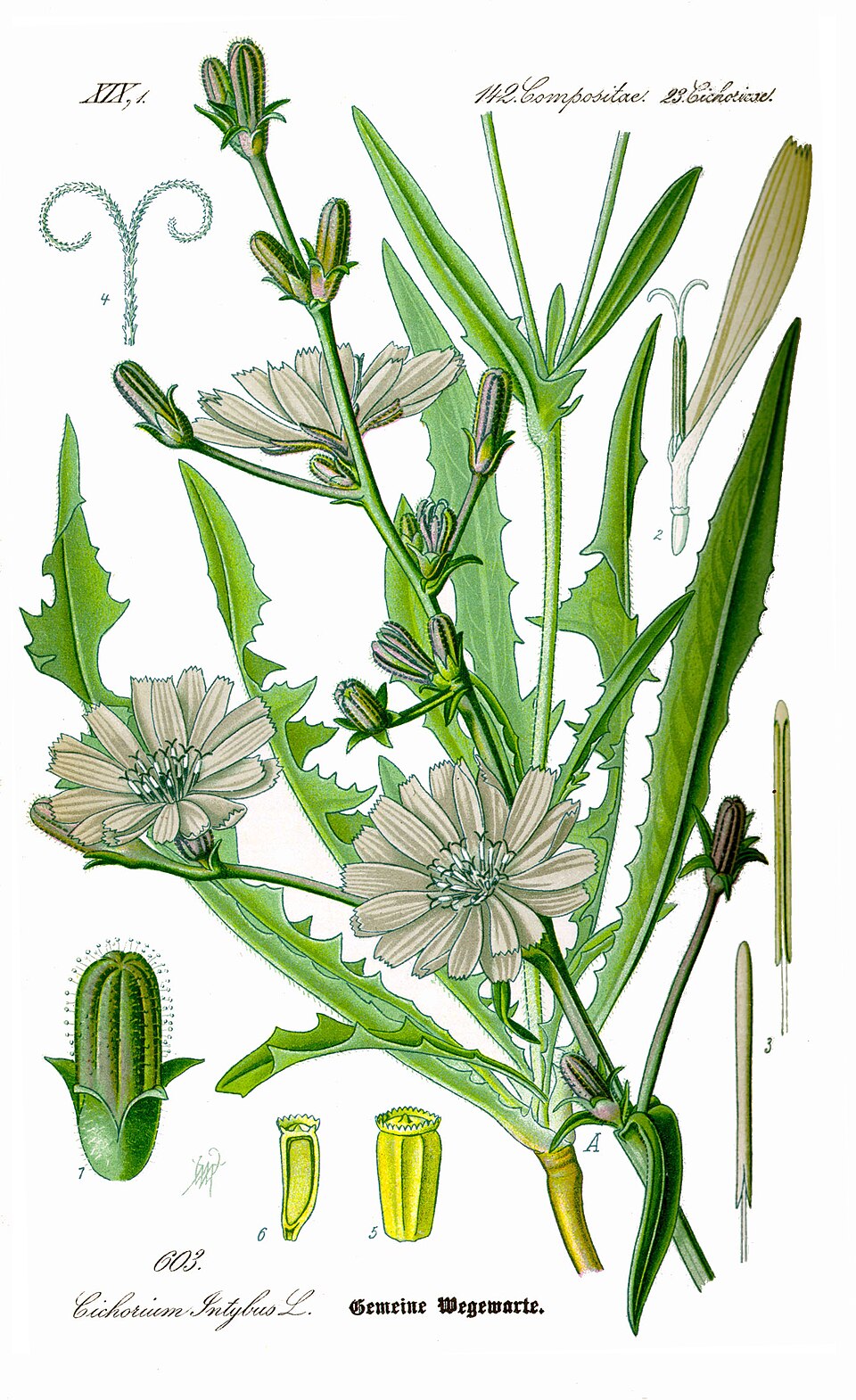
Chicory is a fascinating perennial herb belonging to the daisy family (Asteraceae). It's a robust plant that can grow up to 1.5 meters tall, characterized by a thick, deep taproot – the very part used to produce chicory coffee. From this root sprouts a hairy, branched stem containing a milky sap, adorned with numerous small branches. From July to September, the plant blossoms with striking sky-blue, tongue-shaped flowers, adding a touch of vibrant color to fields and roadsides across Central Europe, where it is frequently found. While native to Europe, West Asia, and North Africa, chicory has spread globally, cultivated in various regions for its culinary and medicinal uses. Its resilience and widespread presence underscore its historical significance and accessibility as a natural resource.Zichorienkaffee: A Healthy, Caffeine-Free Indulgence
While chicory's medicinal properties are compelling, its most popular modern application is undoubtedly as a coffee substitute. *Zichorienkaffee* is more than just a historical curiosity; it's a deliberate choice for many health-conscious individuals today.Why Choose Chicory Coffee?
In an age where coffee rituals dominate daily life, chicory coffee offers a compelling, caffeine-free alternative. Unlike traditional coffee, which can sometimes lead to jitters, sleep disturbances, or digestive discomfort for sensitive individuals, chicory coffee is celebrated for its remarkable digestibility and gentle nature. It's often lauded for being particularly kind to the stomach, liver, gallbladder, and even the heart. This makes it an ideal choice for:- Individuals sensitive to caffeine: Enjoy a warm, robust beverage without the stimulating effects.
- Evening drinkers: Perfect for a cozy nightcap without disrupting sleep patterns.
- Those with digestive sensitivities: Its unique composition is believed to be easier on the digestive system.
- Health-conscious consumers: Seeking natural, plant-based alternatives with potential wellness benefits.
The "Muckefuck" Story: A Name Born of Necessity
The fascinating history of *Zichorienkaffee* is intertwined with periods of hardship. During times of war and economic strife, particularly when imported coffee beans were scarce or prohibitively expensive, people had to get creative. This led to the widespread use of local substitutes, and chicory root, alongside roasted acorns and various grains, became a prominent choice. This era gave birth to the colloquial German term "Muckefuck," particularly prevalent in the Rhineland region. This rather unglamorous nickname is a combination of "Mucke" (referring to brown wood dust or rotten wood) and "fuck" (meaning "foul" or "rotten"). While not the most flattering designation, it vividly illustrates the circumstances under which chicory coffee gained widespread popularity: as a resilient, albeit sometimes reluctantly accepted, replacement during times of need. Today, happily, the context has shifted dramatically. What was once a substitute born of necessity is now a celebrated choice, embraced for its intrinsic qualities rather than its stand-in status.Crafting Your Cup of Chicory: From Root to Brew
The transformation of a humble chicory root into a flavorful, aromatic beverage is a testament to simple yet effective processing techniques. The methods used to create *Zichorienkaffee* are surprisingly straightforward, closely mirroring the steps for traditional coffee.The Production Process
The journey from chicory plant to your cup begins with its stout taproot.- Harvesting and Cleaning: The roots are carefully harvested, then thoroughly washed to remove any soil or impurities.
- Drying: Once clean, the roots are dried, a crucial step that prepares them for the next stage and concentrates their flavors.
- Roasting: This is where the magic happens. The dried chicory roots are roasted, much like coffee beans. During this process, they develop a distinctively rich, slightly caramel-like flavor profile that gives chicory coffee its characteristic taste and aroma. The roasting intensity can vary, influencing the final depth of flavor.
- Grinding: After roasting, the roots are ground into a coarse or fine powder, ready for brewing.
Brewing Chicory Coffee at Home
- Proportion: A good starting point is similar to regular coffee – about 1-2 tablespoons of ground chicory per 8 ounces (240ml) of hot water. Adjust to your preferred strength.
- Brewing Methods:
- French Press: This method works exceptionally well, allowing for full flavor extraction. Add ground chicory and hot water, steep for 3-5 minutes, then press.
- Drip Coffee Maker: You can use chicory grounds in your standard drip coffee machine.
- Stovetop (Turkish style): For a very strong brew, simmer chicory grounds directly in water.
- Single-Serve Brewers: Some chicory coffee is available in pods compatible with single-serve machines.
- Enhancing Flavor: Chicory coffee can be enjoyed black, but it also pairs beautifully with milk or plant-based alternatives like almond or oat milk. A touch of sweetener, like honey or maple syrup, can further complement its earthy, caramel notes. Some enthusiasts even blend it with a small amount of regular coffee for a reduced-caffeine, enhanced flavor experience.
Beyond the Brew: The Potential Health Benefits of Chicory
Chicory's allure extends far beyond its coffee-like qualities. Its robust nutritional profile and specific compounds offer a spectrum of potential health advantages that align with its ancient reputation as a healing plant.A Digestible Delight
One of the most celebrated attributes of chicory, especially its root, is its positive impact on digestive health. The root is exceptionally rich in inulin, a type of prebiotic fiber. Prebiotics are non-digestible food ingredients that selectively stimulate the growth and activity of beneficial bacteria in the colon, essentially acting as "food" for your gut microbiome.This prebiotic action translates into several potential benefits:
- Improved Digestion: By fostering a healthy gut flora, inulin can aid in digestion and promote regularity, potentially alleviating issues like constipation.
- Gut Health: A flourishing population of beneficial gut bacteria is linked to a stronger immune system and overall well-being.
- Liver and Gallbladder Support: As Sebastian Kneipp observed centuries ago, chicory is traditionally believed to support the cleansing functions of the liver and gallbladder, vital organs for detoxification and fat metabolism. While more modern research is needed to fully understand these mechanisms, traditional use suggests a supportive role.
- Gentle on the Stomach: For those who find traditional coffee too acidic or irritating, the milder, less acidic nature of chicory coffee can be a welcome relief, contributing to its reputation as a "bekömmlich" (digestible/wholesome) beverage.